Klara Lehmann · 10 September 2026
Examining Shifts in Online Presence Metrics Following Service Provider Transitions
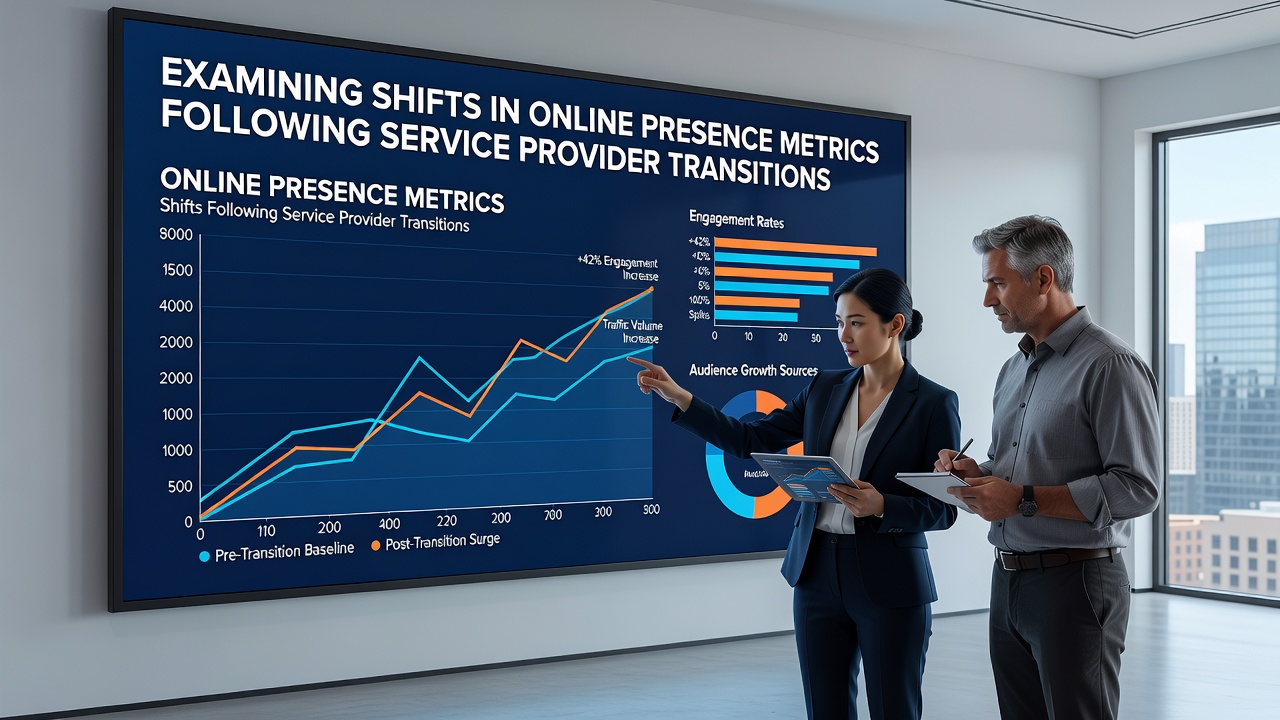
Service provider transitions often trigger measurable changes across key online presence indicators such as organic traffic volume, search engine rankings, page load speeds, and user engagement rates, and observers note these shifts tend to appear within the first 30 to 90 days after migration. Data from industry reports shows that DNS propagation delays combined with temporary indexing hiccups can reduce crawl frequency by up to 25 percent during the initial transition window, while improvements in server response times frequently lead to better Core Web Vitals scores once the new infrastructure stabilizes. Researchers at various institutions have tracked similar patterns across thousands of sites, finding that bounce rates sometimes climb in the short term because of mixed content warnings or SSL configuration mismatches, yet these metrics typically recover as redirects and canonical tags settle into place.
Common Metric Categories Affected by Provider Changes
Traffic sources represent one of the most closely monitored areas during any switch, and figures reveal that direct visits often remain stable while referral and organic channels experience the largest swings. Search visibility can dip when new hosting environments alter crawl budgets or introduce temporary robots.txt restrictions, although sites that maintain consistent sitemap submissions usually see recovery within four to six weeks. Engagement metrics including time on page and scroll depth sometimes shift because faster content delivery networks reduce latency, which in turn encourages longer sessions once users adapt to the improved performance. Conversion tracking tools may require recalibration after a move, since altered IP addresses or cookie domains can interrupt attribution models until the analytics platforms fully recognize the updated environment.
Speed and Technical Performance Indicators
Page speed improvements frequently emerge as a primary benefit when organizations move from shared hosting to dedicated or cloud-based solutions, and studies indicate that a 500-millisecond reduction in load time can correlate with measurable lifts in session duration. Those who monitor server uptime logs often report fewer downtime incidents post-transition, which directly supports higher availability percentages and fewer error-page impressions in search console data. Core Web Vitals thresholds become easier to meet under modern infrastructure because time to interactive and largest contentful paint values respond positively to optimized caching layers and edge delivery networks, while cumulative layout shift issues tend to decrease when developers address new theme or plugin incompatibilities early in the process.
Indexing and Visibility Adjustments Over Time
Search engine crawlers may temporarily deprioritize domains during the propagation phase, and evidence from multiple monitoring platforms shows that indexation counts can fluctuate by 10 to 15 percent before returning to baseline levels. Canonical tag consistency and hreflang implementation become especially important during these periods because mismatched signals can fragment international rankings until corrected. Backlink equity usually remains intact when 301 redirects are configured correctly from the outset, yet observers have noted that new hosting providers sometimes apply stricter security headers that inadvertently block certain crawler user agents until whitelist adjustments are made. Data indicates that sites undergoing registrar changes alongside hosting moves face additional challenges with WHOIS propagation and name server updates, which can extend the overall stabilization timeline by several days.

September 2026 is expected to bring updated crawler behavior guidelines from several major engines, and organizations planning transitions around that timeframe may benefit from aligning their migration schedules with the new documentation release windows to minimize overlap between technical adjustments and algorithm refreshes. Those tracking historical patterns have found that sites completing migrations in advance of such updates tend to experience smoother ranking stabilization compared with those handling both changes simultaneously.
Case Examples from Recent Migrations
One analysis of mid-sized e-commerce platforms that switched content delivery networks in early 2025 revealed that mobile traffic increased by an average of 18 percent once edge caching configurations were fully optimized, whereas desktop metrics showed smaller but consistent gains in page views per session. Another review of educational websites moving between cloud providers documented temporary drops in featured snippet appearances that resolved after structured data markup was revalidated on the new servers. These examples illustrate how different verticals experience distinct recovery curves depending on the complexity of their technical stacks and the thoroughness of pre-migration testing protocols.
Measurement Approaches and Data Sources
Analytics teams typically combine multiple tools to isolate transition-related effects from seasonal or campaign-driven fluctuations, and combining server log analysis with third-party rank trackers provides clearer attribution than relying on any single platform. According to Australian Bureau of Statistics reports on digital infrastructure, organizations that implement phased rollouts with parallel monitoring environments encounter fewer prolonged visibility gaps than those executing full cutovers without staged validation. Research from the OECD on digital economy metrics further highlights how cross-border sites must account for regional CDN performance variations that can influence localized search rankings after provider changes.
Conclusion
Shifts in online presence metrics following service provider transitions follow predictable patterns when teams monitor the right indicators and address configuration issues promptly, and comprehensive tracking across traffic, speed, indexing, and engagement dimensions allows organizations to quantify both short-term disruptions and longer-term gains. Data collected from recent migrations demonstrates that preparation and post-switch validation remain the strongest predictors of stable or improved outcomes across all major metric categories.