
Elena Lange · 8 October 2026
Navigating the Subtle Influences of API Integrations on Search Visibility After Platform Switches in Specialized Retail Sectors
Specialized retail sectors rely on platform switches to modernize operations, yet these transitions introduce API integrations that alter how search engines process site data over time. Platform migrations in areas like automotive parts, outdoor gear, and medical supplies often incorporate APIs for inventory synchronization, pricing updates, and customer analytics, each carrying measurable effects on indexing patterns and ranking signals.
Observers note that API connections established after a switch can modify crawl budgets because search engines detect changes in content freshness through synchronized data feeds. When a retailer moves from one e-commerce system to another, the new APIs determine update intervals for product descriptions and stock levels, which in turn influence how frequently pages appear in search results.
Platform Transitions and Data Flow Adjustments
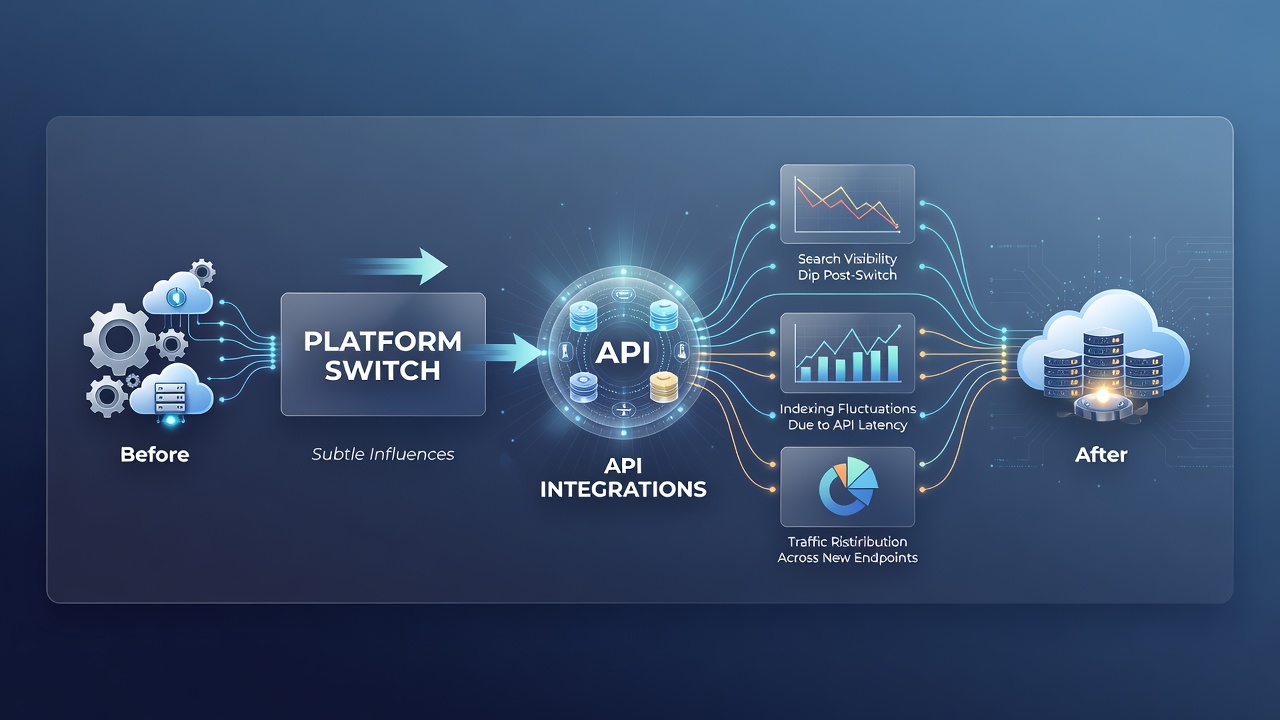
Retailers in niche markets frequently encounter shifts in data flow when completing a platform handover. These adjustments stem from differences in how APIs handle structured data markup and real-time inventory calls, leading to variations in how search algorithms evaluate page authority and relevance. Data from industry reports shows that stores completing migrations in late 2025 experienced altered indexing rates within the first quarter after the change, particularly when API endpoints managed high volumes of product variants.
Turns out the timing of API activation plays a role because delayed integration of analytics tools can reduce the volume of behavioral signals transmitted to search systems. Specialized retailers that activated customer review APIs early after switching platforms maintained steadier visibility compared with those that postponed such connections until several months later.
Effects on Crawl Efficiency and Indexation
API integrations influence crawl efficiency through rate limiting and response formatting that search engines encounter during routine visits. In sectors handling complex product catalogs, such as electronics components or custom apparel, the structure of API responses determines whether pages receive timely re-crawls or remain in secondary queues. Research indicates that consistent API uptime correlates with improved indexation completeness for sites containing thousands of unique SKUs.
One study revealed that retailers using RESTful APIs for dynamic pricing saw measurable differences in how search engines recorded price-related updates, while those relying on batch-processed feeds experienced longer lag times before changes appeared in results. And this pattern held across multiple verticals examined between 2024 and 2026.
Case Observations in Niche Retail Environments
Take one outdoor equipment retailer that transitioned platforms in early 2026 and integrated product availability APIs from multiple suppliers. The store maintained search visibility for core terms because the APIs delivered consistent stock data that aligned with user query patterns, whereas competitors without synchronized feeds saw temporary drops in featured listings. Similar patterns appeared among automotive accessory sellers who connected parts catalog APIs shortly after their platform changes.
Figures from a European Commission digital market analysis highlight how API-driven data exchanges affect online visibility metrics in retail categories during infrastructure upgrades. Those who've examined these transitions find that integration depth rather than platform choice itself drives the majority of observed differences in search performance.
Technical Factors in API Configuration
Configuration choices around authentication methods and data schemas within APIs introduce additional layers that affect search engine interpretation. Retailers adopting OAuth-based connections for third-party inventory systems often report steadier indexing because these setups reduce error responses that might otherwise interrupt crawl sequences. In October 2026, documentation from platform providers emphasized the value of standardized schema implementations when linking new APIs during migrations.
What's interesting is how payment and shipping APIs indirectly shape visibility through user experience metrics that search algorithms incorporate. Faster checkout processes enabled by integrated gateways can increase session duration data, which then feeds into ranking evaluations for specialized product queries. Academic sources such as reports from Statistics Canada on digital retail trends document correlations between these operational efficiencies and online discoverability in targeted sectors.
Longer-Term Patterns After Integration
Over extended periods, the cumulative influence of multiple APIs becomes evident in how sites adapt to algorithm updates. Retailers that monitor API response times and error logs alongside search console data identify early indicators of visibility changes that coincide with platform stability milestones. This monitoring approach allows teams to adjust integration parameters before broader ranking impacts occur.
Evidence suggests that specialized retailers benefit from mapping API dependencies during the planning phase of any switch, because overlooked connections can create bottlenecks in data delivery that search systems register as reduced site freshness. Observers tracking these developments across regions note consistent outcomes when APIs for reviews, recommendations, and stock alerts receive priority attention immediately following migration completion.
Conclusion
Platform switches in specialized retail continue to intersect with API integrations in ways that shape search visibility through technical and operational pathways. Retailers who align API configurations with content update needs and behavioral signal transmission maintain more consistent performance across search results. Ongoing examination of these interactions provides clearer guidance for future transitions as data exchange standards evolve within the sector.